Mastering Padel: Essential Techniques for Beginners

Padel is one of the fastest-growing racket sports worldwide, combining elements of tennis and squash into a fun, social, and accessible game. If you are new to padel, learning the right techniques early will help you enjoy the game more and improve quickly. This guide covers the essential skills every beginner should master to build a strong foundation and start playing confidently.
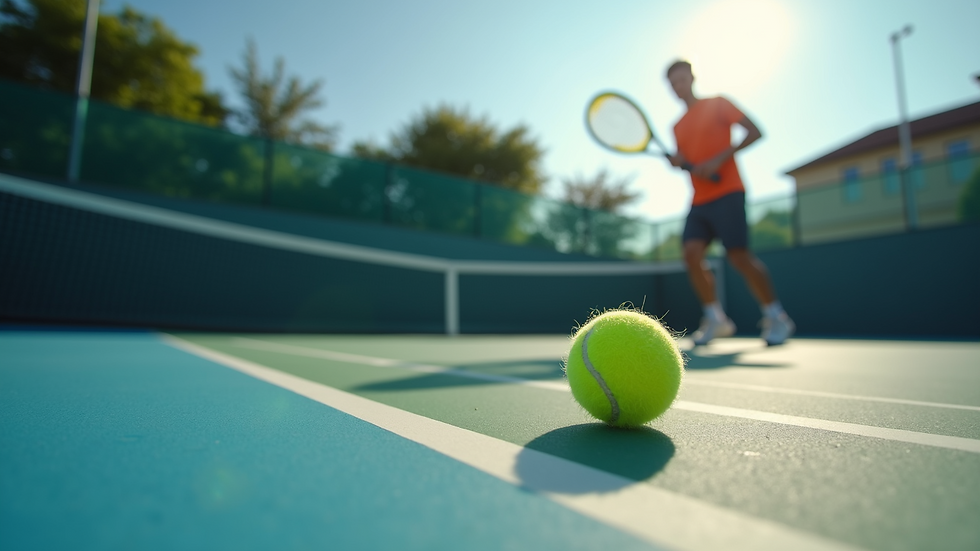
Eye-level view of a player preparing to hit a ball near the net on a padel court
Understanding the Basics of Padel
Before diving into techniques, it helps to understand the game’s structure and rules. Padel is played in doubles on an enclosed court smaller than a tennis court. The walls around the court are part of the game, allowing the ball to bounce off them, which adds a strategic layer.
The scoring system is the same as tennis, and the serve must be underhand, bouncing once before hitting it. Matches are fast-paced, requiring quick reflexes and good positioning.
Essential Grip and Stance
The Continental Grip
The most common grip in padel is the continental grip. It allows players to hit a variety of shots with control and power. To find this grip, hold the racket as if shaking hands with it. This grip works well for volleys, serves, and overhead shots.
Ready Stance
A good stance sets you up for quick movement. Keep your feet shoulder-width apart, knees slightly bent, and weight on the balls of your feet. Hold the racket in front of you with both hands, ready to react to the ball.
Mastering the Serve
The serve in padel is underhand and must bounce before hitting. It’s not about power but placement and consistency.
Stand behind the service line.
Toss the ball lightly in front of you.
Swing the racket low to high, hitting the ball below waist level.
Aim for the diagonal service box.
Practice hitting deep serves to push your opponents back.
A well-placed serve can give you the advantage from the start of the point.
Forehand and Backhand Groundstrokes
Groundstrokes are the backbone of padel rallies. Focus on control and consistency rather than power.
Forehand Technique
Turn your shoulders sideways to the net.
Step forward with your opposite foot.
Swing the racket low to high, brushing the ball for topspin.
Follow through across your body.
Backhand Technique
Use either a one-handed or two-handed backhand depending on comfort.
Keep your wrist firm.
Swing low to high with a smooth motion.
Step into the shot for better balance.
Practice hitting both forehand and backhand shots with control, aiming for the corners of the court to make your opponent move.
Volley Skills for Net Play
Padel is often won at the net, so volley skills are crucial.
Stay close to the net with your racket up.
Use short, controlled swings.
Keep your eyes on the ball and react quickly.
Aim to place volleys low and near the walls to make returns difficult.
Learning to volley confidently will help you dominate the net and control the pace of the game.
Using the Walls Effectively
One unique aspect of padel is the use of walls. The ball can bounce off the back and side walls, creating opportunities and challenges.
Practice anticipating the ball’s trajectory after it hits the wall.
Use the walls to return difficult shots.
Try to hit the ball so it bounces off the wall and lands in your opponent’s court, forcing errors.
Understanding wall play will improve your defensive and offensive game.
Positioning and Movement on the Court
Good positioning helps you cover the court efficiently and stay ready for any shot.
Move as a team with your partner, maintaining a balanced formation.
Avoid standing flat-footed; stay light on your feet.
Communicate constantly to avoid confusion.
Shift forward when attacking and retreat when defending.
Effective movement reduces unforced errors and keeps you in control.
Overhead Smashes and Lobs
Overhead Smash
The smash is a powerful shot used to finish points.
Position yourself under the ball.
Jump slightly if needed.
Swing the racket overhead with force.
Aim for open spaces or corners.
Lob Shot
The lob is a defensive shot that lifts the ball high over your opponents.
Use a controlled swing with an open racket face.
Aim for the back wall to push opponents back.
Use lobs to reset the point or escape pressure.
Both shots add variety to your game and keep opponents guessing.
Practice Drills for Beginners
Consistent practice is key to mastering padel techniques. Here are some drills to try:
Wall Rally: Hit the ball against the wall repeatedly to improve control.
Serve and Return: Practice serving and returning with a partner.
Volley Exchanges: Stand close to the net and volley back and forth.
Movement Drills: Practice side-to-side and forward-backward movements.
These drills build muscle memory and improve your overall game.
Tips for Improving Quickly
Play regularly with players of different skill levels.
Watch experienced players to learn positioning and shot selection.
Focus on footwork as much as hitting.
Stay relaxed and keep your strokes smooth.
Record your practice sessions to identify areas for improvement.
Padel is a social and enjoyable sport. Keep a positive attitude and enjoy the learning process.
Mastering padel takes time and practice, but focusing on these essential techniques will give you a solid start. Whether you want to play casually or compete, building good habits early will make the game more rewarding. Grab your racket, hit the court, and enjoy the fast-paced fun of padel.

Comments